
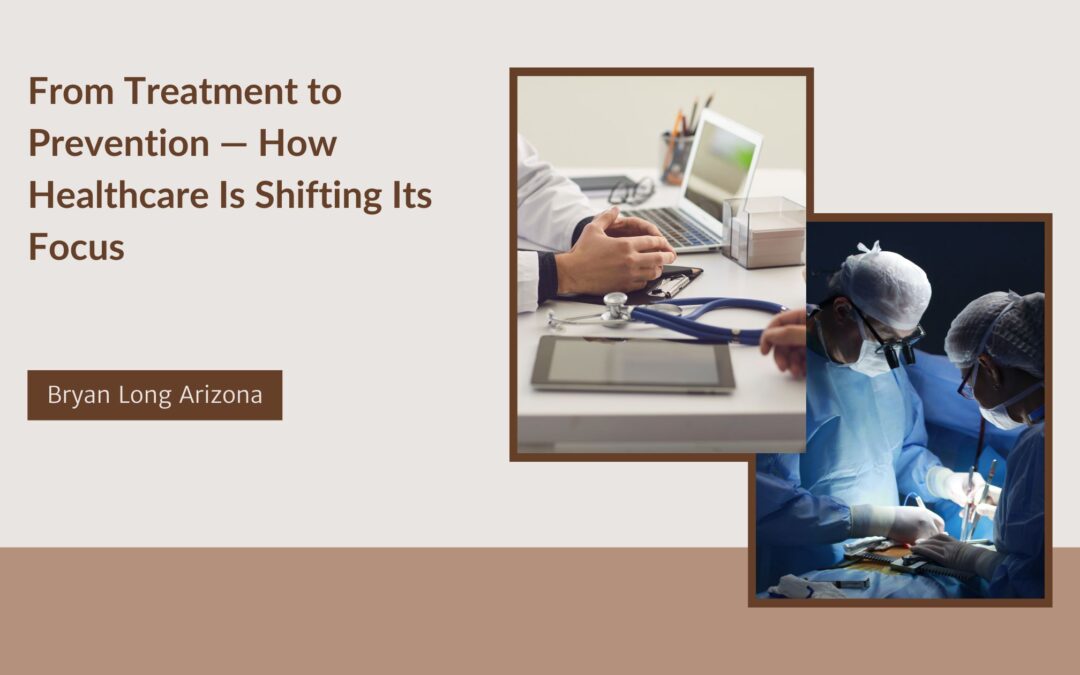
For much of modern history, healthcare has been reactive. Patients seek care when symptoms appear, conditions worsen, or emergencies arise. While this approach saves lives, it is costly, inefficient, and often too late. Today, the healthcare industry is undergoing a critical shift—from treatment-focused care to prevention-driven models.
Preventive healthcare emphasizes early intervention, lifestyle management, and long-term wellness. This shift is driven by rising chronic disease rates, escalating healthcare costs, and growing awareness that many conditions are preventable or manageable when addressed early. Diseases such as diabetes, heart disease, and hypertension are deeply influenced by behavior, environment, and access to care.
Technology is accelerating this transition. Wearable devices, remote monitoring tools, and digital health platforms allow providers to track health indicators in real time. These tools empower patients to take a proactive role in managing their health while giving clinicians data to identify risks before they become emergencies.
Preventive care also extends beyond the clinic. Social determinants of health—such as housing stability, nutrition, education, and income—play a significant role in outcomes. Healthcare organizations are increasingly partnering with community groups, employers, and social services to address these factors. This holistic approach recognizes that health is shaped by daily life, not just medical interventions.
Value-based care models are reinforcing the prevention mindset. Rather than rewarding volume of services, these models incentivize outcomes and population health management. Providers are encouraged to keep patients healthy, reduce hospital admissions, and manage conditions effectively over time. Prevention becomes not just a moral imperative, but a financial one.
Patient education is central to preventive care. Empowered patients make informed decisions, adopt healthier behaviors, and engage more actively in their care. Clear communication, culturally responsive education, and accessible resources help bridge gaps in understanding and trust.
The shift toward prevention represents a fundamental reimagining of healthcare’s role. Instead of primarily reacting to illness, the system is beginning to support sustained wellness. While challenges remain—such as reimbursement alignment and access equity—the long-term benefits of preventive care are undeniable. A healthier population leads to stronger communities, lower costs, and a more sustainable healthcare system.