
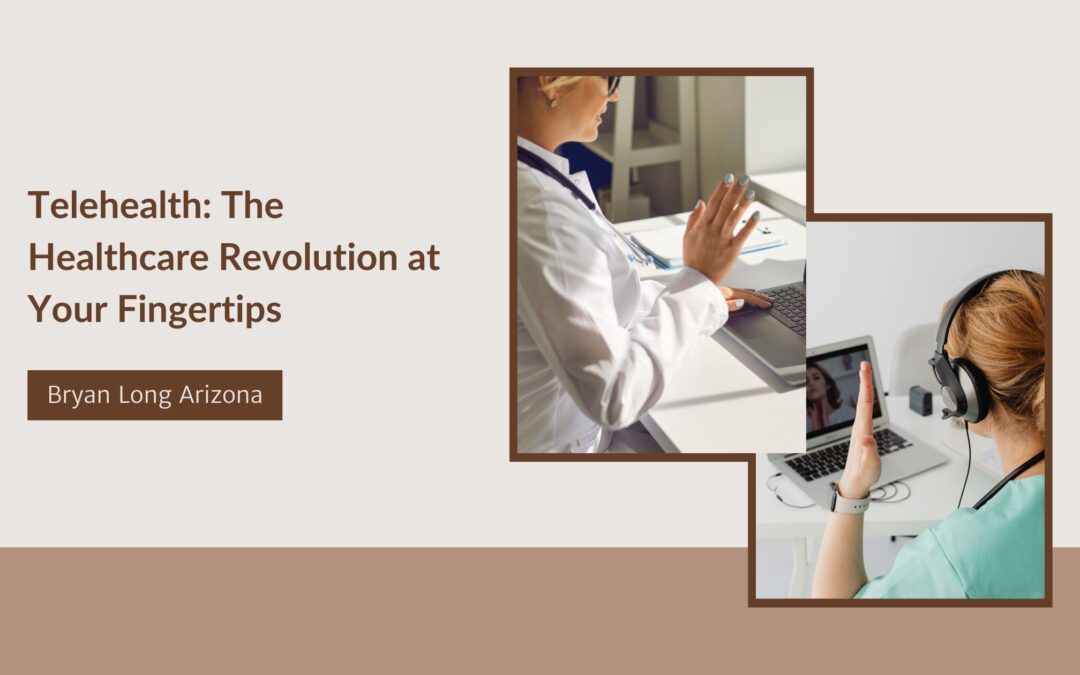
Remember when seeing a doctor meant taking a day off, sitting in a waiting room, and flipping through old magazines? Those days are rapidly fading thanks to the rise of telehealth — the new frontier of healthcare delivery.
Telehealth uses technology to connect patients and healthcare providers remotely, making medical care more accessible than ever before. Whether it’s a video call with your primary doctor, a mental health session via phone, or remote monitoring of chronic conditions, telehealth is transforming how we approach our health.
The COVID-19 pandemic accelerated this shift, but the benefits go far beyond social distancing. Telehealth offers unparalleled convenience. Patients can consult with doctors from the comfort of their homes, saving time and avoiding exposure to germs in crowded clinics. This is especially helpful for people with mobility challenges, those in rural areas, or anyone juggling a busy schedule.
Beyond convenience, telehealth is breaking down barriers in mental healthcare. Many people feel more comfortable opening up to a therapist from their own safe space. Online therapy platforms have made mental health services more available and affordable, helping to reduce the stigma around seeking help.
Chronic disease management has also seen a boost. Devices that monitor blood pressure, glucose levels, and heart rates can transmit data directly to doctors, enabling real-time adjustments to treatment plans without the need for frequent office visits.
Even specialist consultations are now just a click away. Telehealth enables collaboration among doctors across cities — or even countries — ensuring patients get expert opinions without the hassle of travel.
However, like any innovation, telehealth comes with challenges. Not everyone has access to high-speed internet or is comfortable with technology. Privacy and data security remain critical concerns as more medical information moves online.
Despite these hurdles, the future of telehealth looks bright. Healthcare providers and insurers are investing heavily in expanding virtual care services, making them a permanent fixture in our healthcare ecosystem.
In short, telehealth is not just a temporary fix — it’s a revolution that’s here to stay. By embracing this digital transformation, we can make healthcare more inclusive, efficient, and patient-centered. So next time you need medical advice, remember: your doctor might be just a video call away.